The Science Behind Seasonal Paving
Summer road construction seems to happen everywhere at once. This is because asphalt paving and concrete projects often require air temperatures above 50°F to achieve proper compaction, curing, and long-term durability.
At Encore Pavement, we’ve spent 15+ years helping commercial property owners, facility managers, and municipalities throughout Kansas plan paving projects based on the conditions that yield the best results. In this seasonal paving guide, we break down how temperature, weather, and construction timing work together to make the warmer months the most favorable time of the year for paving projects.
The Critical Role of Temperature in Pavement Materials
In Kansas, the most favorable concrete and asphalt paving conditions typically occur between spring and fall. The warmer temperatures help pavement materials achieve the strength, durability, and long-term performance they’re designed for.
Asphalt Temperature Requirements
Hot mix asphalt is typically installed between 280°F and 320°F and must remain warm long enough for crews to properly compact the material. When air temperatures fall below about 50°F, asphalt cools too quickly, reducing the compaction window and making it harder to achieve a strong bond.
Concrete Curing Considerations
Concrete gains strength through a chemical process called hydration, where water reacts with cement to harden and strengthen the material over time. This process slows significantly when temperatures drop. Cold-weather concrete installation often requires additional heating, insulation, and other protective measures to prevent freezing and ensure proper curing.
Get a Quote for Your Construction Project
Contact Encore Pavement to learn about our commercial asphalt paving and concrete installation services.
Weather Conditions That Enable Quality Construction
In Kansas, spring and summer road construction generally provides the right combination of conditions. The warmer ground temperatures mean longer construction windows needed to complete projects efficiently and produce lasting results.
Ground Temperature and Frost Considerations
A quality pavement surface starts with a stable foundation. During winter, frost can freeze the soil beneath a project site, creating movement and instability that can affect subgrade preparation and long-term pavement performance.
Equipment Performance in Cold Weather
Cold temperatures can also create challenges for construction equipment and material handling. Asphalt cools more quickly during transport. Additionally, machinery often requires additional time and maintenance to operate efficiently in freezing conditions, making projects more difficult and costly to complete.
Economic and Scheduling Factors Behind Summer Construction
Many municipalities, schools, and commercial property owners plan projects during the warmer months to take advantage of favorable conditions and minimize disruptions to others’ schedules.
Municipal Budget and Planning Cycles
Many public paving projects are planned months in advance through budgeting, bidding, and approval processes. By the time projects secure funding and contracts, construction often aligns with the spring and summer road construction.
Commercial Construction Timing
Commercial property owners often schedule paving work during periods that minimize disruptions to customers, tenants, and daily operations. Parking lot improvements, access road repairs, and campus projects work around school breaks and slower business periods to minimize the impact on normal activity.
Winter Construction: When It Happens and Why It's Challenging
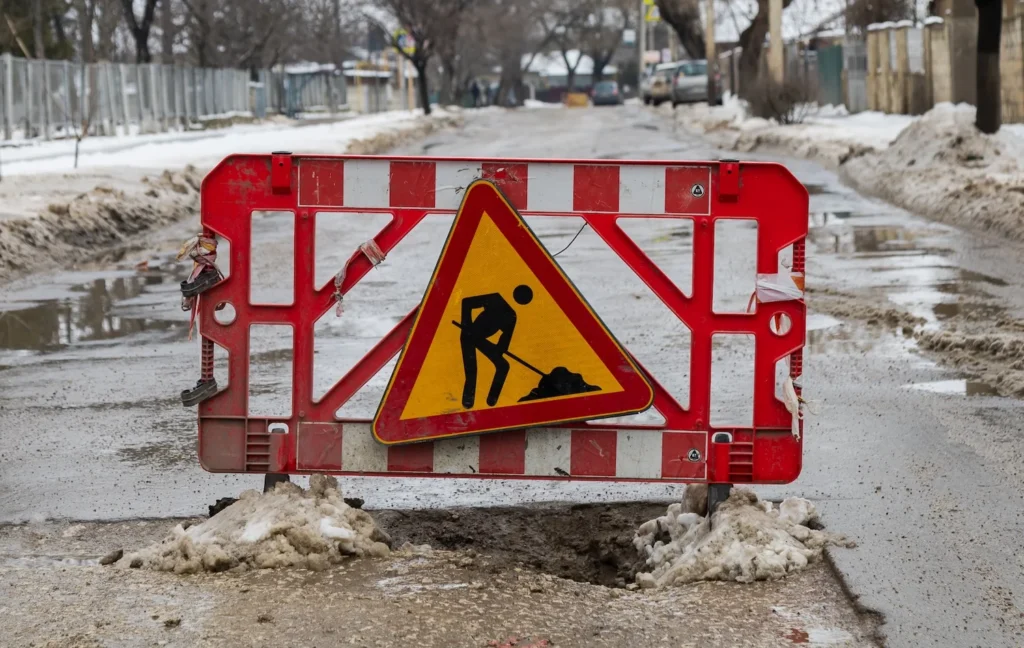
Construction doesn’t completely stop when temperatures drop. In Kansas, emergency repairs and safety-related pavement issues may still require winter scheduling when conditions are less than ideal.
Emergency Repair Scenarios
Winter paving is often limited to situations where delaying repairs would create safety concerns. Emergency situations include potholes, damaged pavement affecting vehicle traffic, and critical infrastructure issues. In some cases, professionals may provide temporary repairs until the regular construction season allows for permanent work.
Cold Weather Paving Techniques
When cold-weather paving is unavoidable, contractors use specialized materials, additives, and installation methods designed for lower temperatures. These techniques can help complete necessary repairs, but they often require additional labor, equipment, and quality-control measures, which increase overall project costs.
Planning Your Commercial Paving Project for Optimal Results
For most commercial properties in Kansas, the best time to schedule paving work is between spring and fall, when conditions are most favorable. Because summer road construction creates a busy season for contractors, planning ahead secures your preferred schedule and avoids unnecessary delays.
Project Type and Timing Recommendations
Larger paving and reconstruction projects are often scheduled during late spring and summer when conditions support efficient installation and long-term performance. Maintenance services such as parking lot striping and asphalt sealcoating also benefit from warmer temperatures and dry weather conditions.
Preparing for Construction Season
The most successful projects typically begin long before construction starts. Working with an experienced contractor early allows time for budgeting, planning, material procurement, site preparation, and scheduling.
Start Planning Your Commercial Construction Project with Encore Pavement
At Encore Pavement, we help property owners plan around optimal construction windows. From installation to repair and maintenance, our team delivers comprehensive commercial paving support. Schedule an inspection to get started.
Frequently Asked Questions
What temperature is too cold for asphalt paving?
Most asphalt paving projects require temperatures above 50°F and dry conditions. Below that point, asphalt can cool too quickly for proper compaction.
Can concrete be poured in winter in Kansas?
Yes, but it often requires heating, insulation, and other protective measures. This can increase both project complexity and cost.
Why do road projects seem to all happen at once in summer?
Kansas has a limited paving season, so many projects are scheduled during the same window. That’s why summer road construction seems to appear everywhere at once.
Is summer paving more expensive because demand is higher?
Not necessarily. Favorable weather conditions often help projects move faster and produce better long-term results, making summer an efficient time to pave.