How to Create a Commercial Parking Lot Repair Budget in 2026
For property managers and HOA boards, unexpected parking lot repairs can quickly strain maintenance budgets and disrupt operations. The good news is that a proactive pavement repair budget strategy keeps you ahead of costly repairs and helps avoid unexpected capital expenditures.
At Encore Pavement, we’ve spent 15+ years helping commercial property owners, facility managers, and HOAs across the Midwest protect their pavement investments through parking lot maintenance and planning. We’ve seen firsthand how routine maintenance extends pavement life and reduces long-term costs.
Building an effective parking lot repair budget starts with a clear understanding of your pavement’s needs. Here’s what you need to know.
Understanding Parking Lot Maintenance Costs in Kansas
Preventative maintenance is almost always less expensive than waiting for minor issues to become major repairs. Kansas parking lots face constant stress from summer heat, winter freeze-thaw cycles, and severe weather. Regular maintenance is essential to long-term cost control and pavement performance.
Annual Maintenance Cost Benchmarks
Maintenance costs vary based on lot size, traffic volume, and pavement condition. However, most commercial properties should plan for routine parking lot striping, crack filling, sealcoating, and minor repairs.
While these services require ongoing investment, they are typically far less costly than major rehabilitation projects such as parking lot resurfacing or full reconstruction.
Hidden Costs That Impact Your Budget
Some pavement-related expenses are easy to overlook during the budgeting process. ADA compliance updates, drainage repairs, and stormwater management improvements can all affect maintenance costs.
Types of Repairs and Their Costs
Understanding the difference between routine maintenance and parking lot repair work helps you budget appropriately and avoid unnecessary expenses.
Preventative Maintenance Services
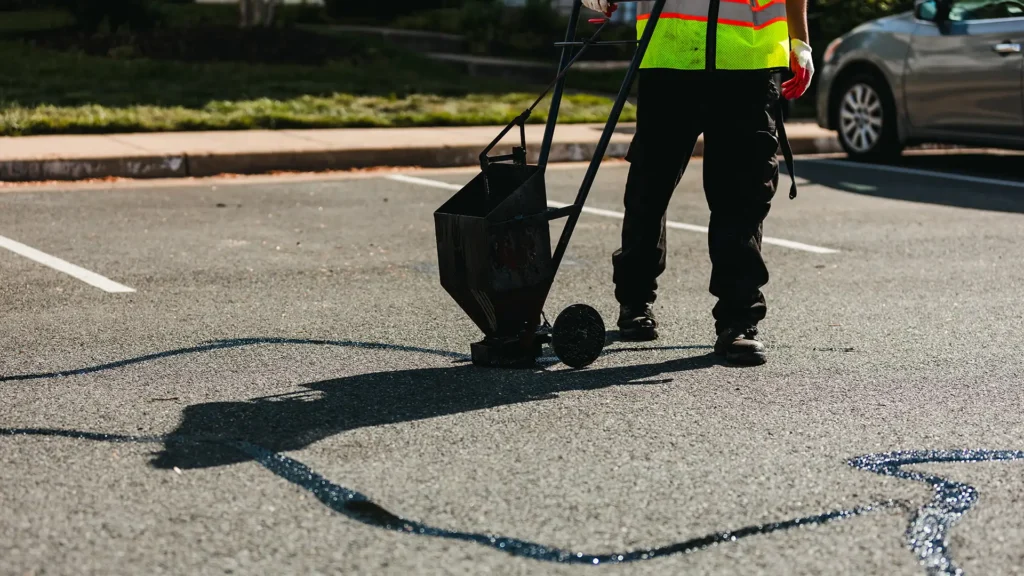
Preventative maintenance is typically the most affordable way to protect your parking lot throughout its lifecycle. Crack filling, sealcoating, and striping are performed on a recurring basis to slow deterioration and address minor issues before they become larger repairs.
While these services require ongoing investment, they often cost significantly less than patching, resurfacing, or reconstruction that may result from deferred maintenance.

Major Repair and Replacement Costs
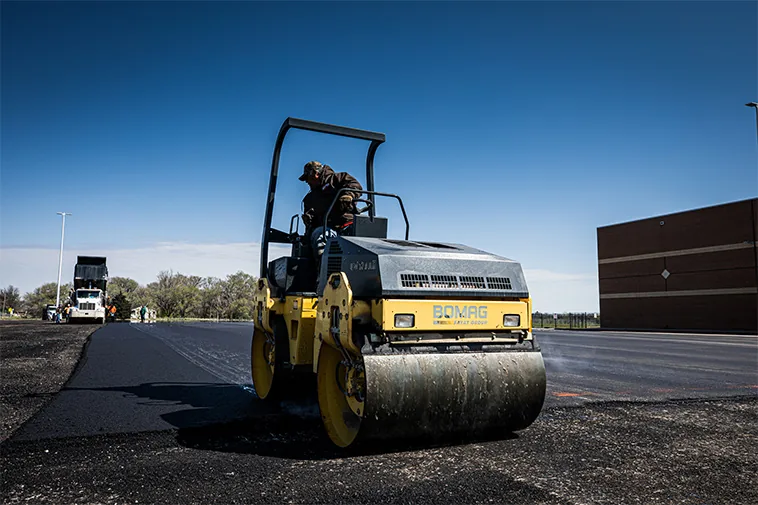
Seasonal Repair Considerations
Spring is typically the ideal time to assess winter damage. Summer and early fall typically provide the best conditions for sealcoating, striping, resurfacing, and larger paving projects.
Working seasonal maintenance windows into your parking lot repair budget reduces delays and ensures repairs are completed before damage worsens.
Budget Planning Strategies for Property Managers
The most effective pavement budgets look beyond the current year and account for maintenance needs throughout the parking lot’s lifecycle. Planning ahead for routine maintenance, future repairs, and larger capital improvements will help you avoid unexpected expenses.
Creating a 5-Year Maintenance Plan
A 5-year parking lot maintenance plan helps property managers forecast upcoming pavement needs and spread costs across multiple budget cycles. By anticipating crack sealing, sealcoating, repairs, and future resurfacing, it’s easier to avoid major budget surprises and make informed decisions.
Reserve Fund Calculations
Common Parking Lot Budgeting Mistakes and How to Avoid Them
Many costly pavement repairs can be traced back to a few common parking lot repair budget mistakes.
Underestimating Seasonal Weather Impact
Failing to Account for Growth and Usage Changes
As traffic increases and property needs evolve, parking lots experience more wear and often require additional maintenance. Regular pavement evaluations help property managers adjust budgets to match current usage and anticipate future repair needs.
Working with Parking Lot Contractors
The right pavement contractor can help you build a realistic parking lot repair budget and identify issues before they worsen. When comparing proposals, look beyond price alone and evaluate the contractor’s experience, recommendations, and scope of work.
Contractor Selection Criteria
Contract Structures and Payment Terms
Before approving a proposal, make sure you understand the scope of work, pricing structure, and payment terms. For ongoing maintenance programs, discussing future maintenance needs upfront can help create a more predictable budget and reduce unexpected expenses.
Schedule a Pavement Assessment to Kickstart Your Parking Lot Repair Budget Planning
Contact Encore Pavement to schedule your seasonal pavement inspection and maintenance. We’ll review weaknesses and work with you to create a maintenance plan that keeps repair costs predictable.
Frequently Asked Questions
When is the best time to schedule parking lot maintenance in Kansas?
Late spring through early fall typically offers the best conditions for pavement maintenance. Many property owners schedule sealcoating, striping, and repairs during the warmer, drier months to help avoid weather-related delays.
How long does a properly maintained parking lot last?
With routine maintenance and timely repairs, asphalt parking lots can often last 25 to 30 years. Without regular maintenance, accelerated depreciation can lead to major repairs or premature parking lot replacement.
What percentage of my property budget should go toward parking lot maintenance?
Maintenance needs vary by lot size, age, and traffic levels. However, many commercial properties and HOAs include dedicated funding for routine maintenance and future pavement repairs to avoid unexpected capital expenses.
How do I choose the right contractor for parking lot maintenance near me?
When evaluating providers for parking lot maintenance near you, look for contractors with commercial paving experience and proper licensing and insurance. A contractor familiar with regional weather conditions and pavement challenges provides more accurate maintenance recommendations and budget forecasts.